
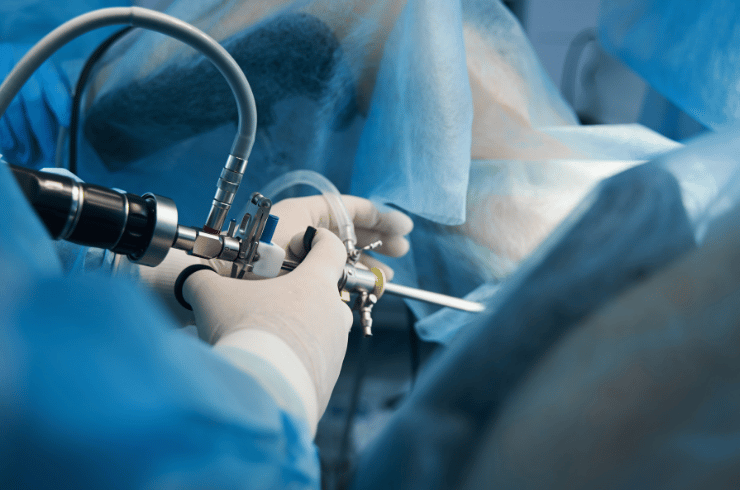
Herspace Gynaecology and Fertility Clinic provides specialised hysteroscopy services as part of its comprehensive gynaecology and fertility care. Hysteroscopy is a minimally invasive procedure used to examine the inside of the uterus and, when required, manage certain conditions affecting the uterine cavity. It can be recommended based on symptoms, examination findings, reproductive history or fertility concerns.
Hysteroscopy involves using a thin, lighted instrument called a hysteroscope to view the inside of the uterus. The instrument is passed through the vagina and cervix, allowing the uterine cavity to be examined without making an abdominal incision.
Depending on the clinical requirement, hysteroscopy may be performed for diagnostic evaluation or as a treatment procedure for selected conditions.
A specialist may consider hysteroscopy when there are concerns involving the uterine cavity. It may be useful in evaluating:
The suitability of hysteroscopy depends on the individual patient’s symptoms, medical history and clinical assessment.
Hysteroscopy can play an important role in selected infertility and reproductive health evaluations. Certain conditions inside the uterine cavity may affect implantation or reproductive outcomes. When clinically indicated, hysteroscopy allows direct visualisation of the uterine cavity and can help identify abnormalities that may require further management.
For couples experiencing difficulty conceiving, hysteroscopy may form part of a broader fertility evaluation when recommended by the specialist.
Hysteroscopy may be performed for either diagnostic or operative purposes.
Diagnostic hysteroscopy focuses on examining the uterine cavity to identify possible abnormalities.
Operative hysteroscopy may allow selected conditions, such as polyps or certain cavity-related abnormalities, to be managed during the procedure when appropriate.
The recommended approach depends on the patient’s condition and clinical requirements.
As a minimally invasive gynaecological procedure, hysteroscopy does not require an abdominal incision. Depending on the procedure and individual circumstances, potential benefits may include:
Patients should discuss the expected benefits, risks and recovery process with their specialist before undergoing the procedure.
At Herspace, every procedure is considered according to the patient’s individual healthcare needs. The specialist reviews the medical history, symptoms, reproductive goals and relevant investigations before recommending hysteroscopy.
Patients receive appropriate guidance regarding preparation, the procedure, recovery and follow-up care.
With 16+ years of professional experience within the consultant team and a strong focus on infertility and minimal access surgery, Herspace provides integrated gynaecology and fertility care. Hysteroscopy is offered as part of the clinic’s minimally invasive gynaecological services.
If you have abnormal bleeding, fertility concerns, recurrent pregnancy loss or a suspected uterine cavity abnormality, a specialist consultation can help determine whether hysteroscopy is appropriate for your condition.