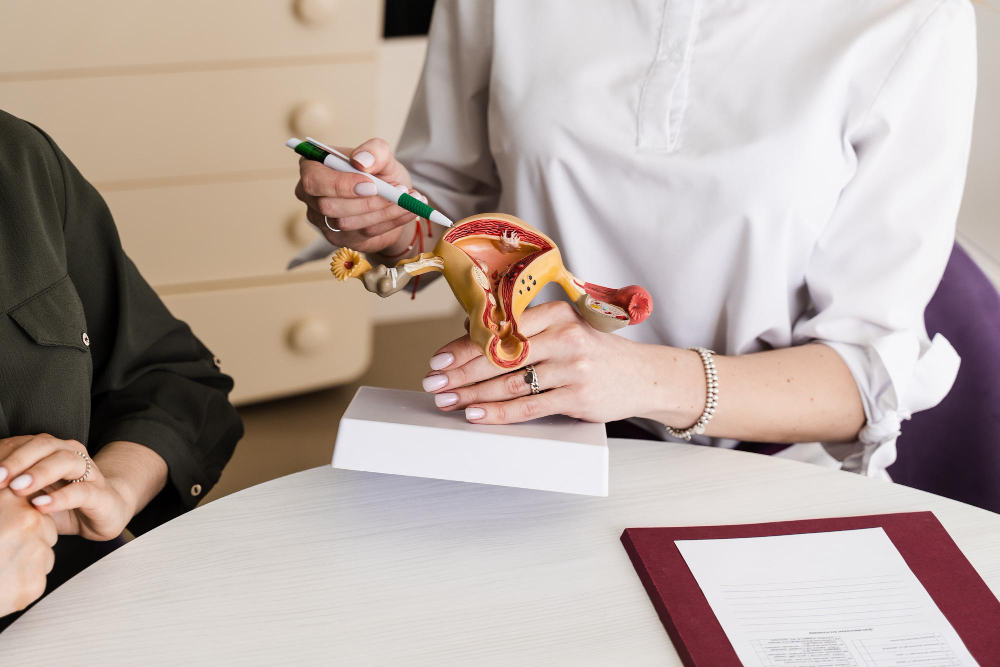
Fibroids are non-cancerous growths that develop in or on the uterus. Many women have fibroids at some point in their lives. Because fibroids can affect health and daily life, it is important to know about them. In fact, understanding fibroids helps women make informed choices about their care. This blog explains what fibroids are, their symptoms, causes, diagnosis, treatment, and how to prevent fibroids.
What Are Fibroids?
Fibroids, also called uterine fibroids, are lumps of muscle and tissue that grow in the uterus. They are usually not cancer. However, they can cause problems for some women. Most fibroids are small, but some can grow quite large. While some women have only one fibroid, others may have several at the same time.
There are different types of fibroids, based on where they grow:
Although fibroids are common, not all women have symptoms. Still, they can impact women’s health in many ways.
Common Symptoms of Fibroids
Many women do not notice any signs. Yet, others experience symptoms that affect daily life. For example, some of the most common uterine fibroids symptoms include:
Sometimes, fibroids can also cause problems with pregnancy or fertility. However, many women with fibroids have healthy pregnancies.
Causes and Risk Factors
Doctors do not know the exact cause of fibroids. Still, research suggests that hormones and genetics play a role. Estrogen and progesterone, two female hormones, help fibroids grow. When these hormone levels drop, such as after menopause, fibroids often shrink.
Several factors can raise the risk of getting fibroids:
Because these factors are common, many women may develop fibroids during their lives.
How Fibroids Are Diagnosed
Doctors often find fibroids during a routine pelvic exam. However, to confirm the diagnosis, they may use imaging tests. For example, an ultrasound uses sound waves to create a picture of the uterus. Sometimes, doctors use MRI scans for a clearer view. In some cases, a doctor may suggest a special procedure to look inside the uterus.
Early diagnosis helps doctors find the best treatment for fibroids in women. If you notice symptoms, it is important to talk to your doctor.
Treatment Options for Fibroids
Treatment for fibroids in women depends on symptoms, size, and location. Some women do not need any treatment if they have mild or no symptoms. However, when treatment is needed, options may include:
Because each woman is different, doctors help choose the best plan for each person. The CDC and WHO recommend discussing all options with your healthcare provider.
Lifestyle Tips for Managing Fibroids
Although fibroids cannot always be prevented, certain lifestyle changes may help manage symptoms. For instance, making healthy choices can support overall well-being. Here are some tips:
With these steps, many women find relief from mild symptoms. However, always talk to your doctor before making big changes.
Preventing Fibroids: What Women Should Know
While there is no sure way to prevent fibroids, some habits may lower your risk. For example, eating more green vegetables and less red meat can help. Staying at a healthy weight is also important. Because early periods may raise risk, tracking your menstrual health is helpful.
Although fibroids are common, knowing how to prevent fibroids and manage risks can support better women’s health.