What is a High-risk Pregnancy?
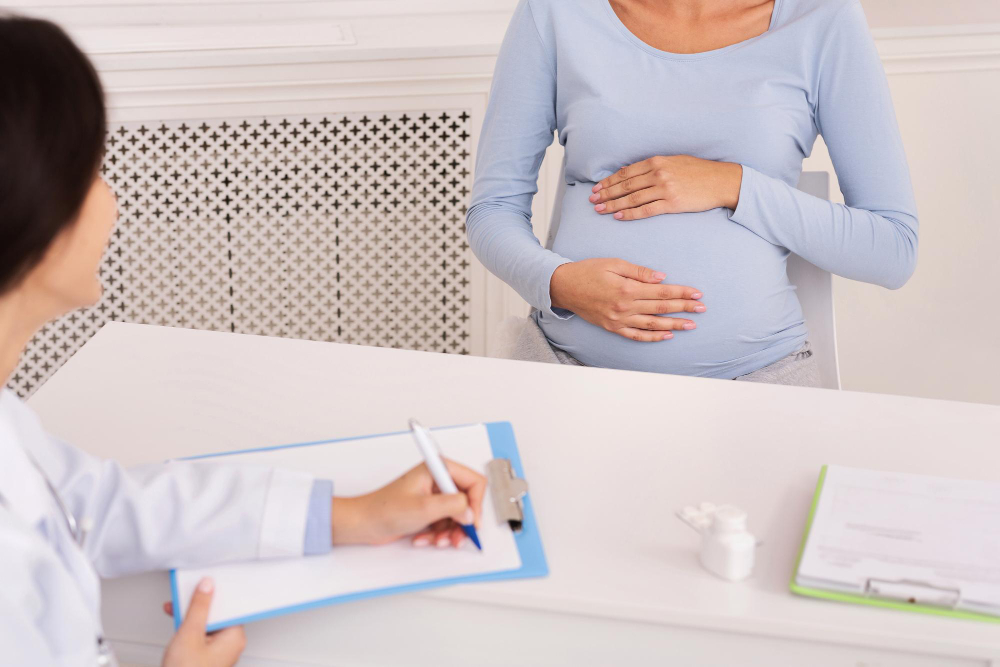
A high-risk pregnancy means there is a greater chance of health problems for the mother, baby, or both. For example, some women may have health issues before pregnancy. Others may develop problems during pregnancy. Because of these risks, high-risk pregnancy needs special care. Early attention can help keep both mother and baby safe. According to the CDC, about 6–8% of pregnancies are considered high-risk.
Common Symptoms and Warning Signs
It is important to know the warning signs of pregnancy complications. While some symptoms are normal, others may signal a problem. Therefore, always talk to your doctor if you notice anything unusual. Here are some common warning signs:
In addition, feeling dizzy or faint can be a warning sign. If you have any of these symptoms, seek medical help right away.
Causes and Risk Factors
Many things can lead to a high-risk pregnancy. Some women have health problems before getting pregnant. Others develop issues during pregnancy. Here are some common causes and risk factors:
Additionally, family history of genetic disorders can increase risk. Therefore, it is important to share your medical history with your doctor.
How High-risk Pregnancy is Diagnosed
Doctors use several ways to diagnose a high-risk pregnancy. First, they review your health history. Next, they may order special tests. For example, you may need extra blood tests or ultrasounds. In some cases, doctors check for infections or genetic problems. Regular check-ups help spot problems early. As a result, you and your baby get the right care at the right time.
Treatment and Management Options
Managing high-risk pregnancy often means more doctor visits. Your care team may include an obstetrician who specializes in high-risk cases. In addition, you may need extra tests or medicines. Treatment depends on your specific risks. For example, women with high blood pressure may need medication. Others may need to rest more or avoid certain activities. Sometimes, hospital care is needed for close monitoring. Early treatment can lower the risk of serious problems.
Lifestyle Tips for Expectant Mothers
Healthy habits can make a big difference during high-risk pregnancy. Here are some pregnancy care tips for expectant mothers:
Moreover, managing stress and asking for help from family or friends can support your well-being.
Prevention and When to Seek Help
While not all high-risk pregnancies can be prevented, some steps can lower your risk. For instance, see your doctor before getting pregnant to discuss any health concerns. Keep chronic conditions like diabetes or high blood pressure under control. In addition, avoid harmful substances and maintain a healthy weight. If you notice any warning signs, contact your doctor right away. Early action can protect both you and your baby.
Consult Herspace Gynaecology and Fertility Clinic for expert high-risk pregnancy care, personalized guidance, and comprehensive support from experienced obstetric and gynecology specialists throughout your pregnancy journey.